

Achieve Success with Google Ads Optimization
- Neecee Lexy

- Jan 28
- 4 min read
In today’s digital landscape, mastering Google Ads optimization is essential for businesses aiming to increase visibility and drive targeted traffic. Google Ads offers a powerful platform to reach potential customers, but without proper optimization, campaigns can quickly drain budgets without delivering results. This guide will walk you through practical strategies to enhance your Google Ads campaigns, ensuring you get the most value from your advertising spend.
Understanding the Basics of Google Ads Optimization
Before diving into advanced tactics, it’s important to understand the core elements of Google Ads optimization. At its heart, optimization means improving your campaigns to achieve better performance metrics such as higher click-through rates (CTR), lower cost-per-click (CPC), and increased conversions.
Key components include:
Keyword Research: Selecting relevant keywords that your target audience is searching for.
Ad Copy: Writing compelling ads that encourage clicks.
Landing Pages: Ensuring the page users land on matches the ad’s promise.
Bid Management: Adjusting bids to maximize ROI.
Quality Score: Google’s rating of the relevance and quality of your ads and keywords.
By focusing on these areas, you can create a solid foundation for your campaigns.

Google Ads dashboard displaying campaign performance metrics
Practical Tips for Effective Google Ads Optimization
Optimizing your Google Ads campaigns requires ongoing attention and adjustments. Here are actionable recommendations to help you improve your results:
Use Negative Keywords
Negative keywords prevent your ads from showing on irrelevant searches. For example, if you sell premium watches, adding “cheap” as a negative keyword avoids clicks from bargain hunters.
Test Multiple Ad Variations
Create different versions of your ads to see which performs best. Test headlines, descriptions, and calls to action. Google Ads allows A/B testing to identify top performers.
Leverage Ad Extensions
Use sitelink, callout, and structured snippet extensions to provide additional information and increase ad real estate on search results pages.
Optimize for Mobile
With more users searching on mobile devices, ensure your ads and landing pages are mobile-friendly. Fast loading times and clear calls to action are critical.
Monitor and Adjust Bids
Use bid adjustments to increase bids for high-performing keywords or locations and decrease bids where performance lags.
Focus on Quality Score
Improve your Quality Score by aligning keywords, ad copy, and landing pages closely. Higher scores reduce CPC and improve ad placement.
Use Conversion Tracking
Set up conversion tracking to measure actions like purchases, sign-ups, or calls. This data helps you understand which ads drive results.
By implementing these tips, you can continuously refine your campaigns and maximize your advertising budget.
How to Measure Success in Google Ads Optimization
Tracking the right metrics is crucial to understanding the effectiveness of your Google Ads campaigns. Here are the key performance indicators (KPIs) to monitor:
Click-Through Rate (CTR): The percentage of people who click your ad after seeing it. A higher CTR indicates relevant ads.
Cost Per Click (CPC): The average amount you pay for each click. Lower CPC means more efficient spending.
Conversion Rate: The percentage of clicks that result in a desired action, such as a purchase or lead.
Quality Score: Google’s rating of your ads’ relevance and quality.
Impression Share: The percentage of total available impressions your ads receive.
Regularly reviewing these metrics allows you to identify what’s working and where improvements are needed. For example, a low CTR might suggest your ad copy needs tweaking, while a high CPC could indicate strong competition for your keywords.
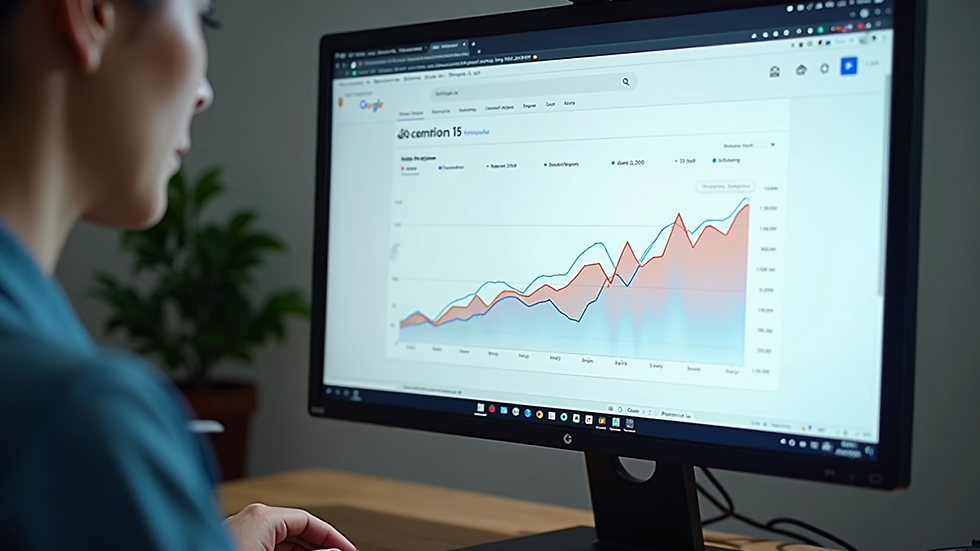
Google Ads performance graphs illustrating campaign metrics
Advanced Strategies for Google Ads Optimization
Once you have mastered the basics, consider these advanced strategies to further enhance your campaigns:
Use Audience Targeting
Target specific groups based on demographics, interests, or past website visits. Remarketing campaigns can re-engage users who showed interest but didn’t convert.
Implement Smart Bidding
Utilize Google’s machine learning-powered bidding strategies like Target CPA or Target ROAS to automatically optimize bids for conversions.
Optimize for Voice Search
With the rise of voice assistants, include conversational keywords and phrases that people might speak rather than type.
Leverage Geographic Targeting
Focus your ads on specific locations where your ideal customers are. Adjust bids based on regional performance.
Use Responsive Search Ads
These ads automatically test different combinations of headlines and descriptions to find the best performing versions.
By integrating these techniques, you can stay ahead of competitors and adapt to evolving user behaviors.
Next Steps to Maximize Your Advertising Impact
Achieving success with Google Ads requires consistent effort and strategic planning. Start by conducting a thorough audit of your current campaigns to identify areas for improvement. Then, apply the optimization tips and advanced strategies discussed here.
For businesses looking to streamline this process, partnering with experts in google ads management can provide valuable insights and hands-on support. Professional management ensures your campaigns are continuously optimized to deliver the best possible return on investment.
Remember, the key to success is ongoing testing, learning, and adapting. With the right approach, Google Ads can become a powerful tool to grow your business and reach your marketing goals.
By following these guidelines and focusing on effective Google Ads optimization, you can transform your advertising efforts into a consistent source of qualified leads and sales. Start optimizing today and watch your campaigns thrive.


Comments